The Importance of Nutrition and Assisted Feeding in Dementia Care
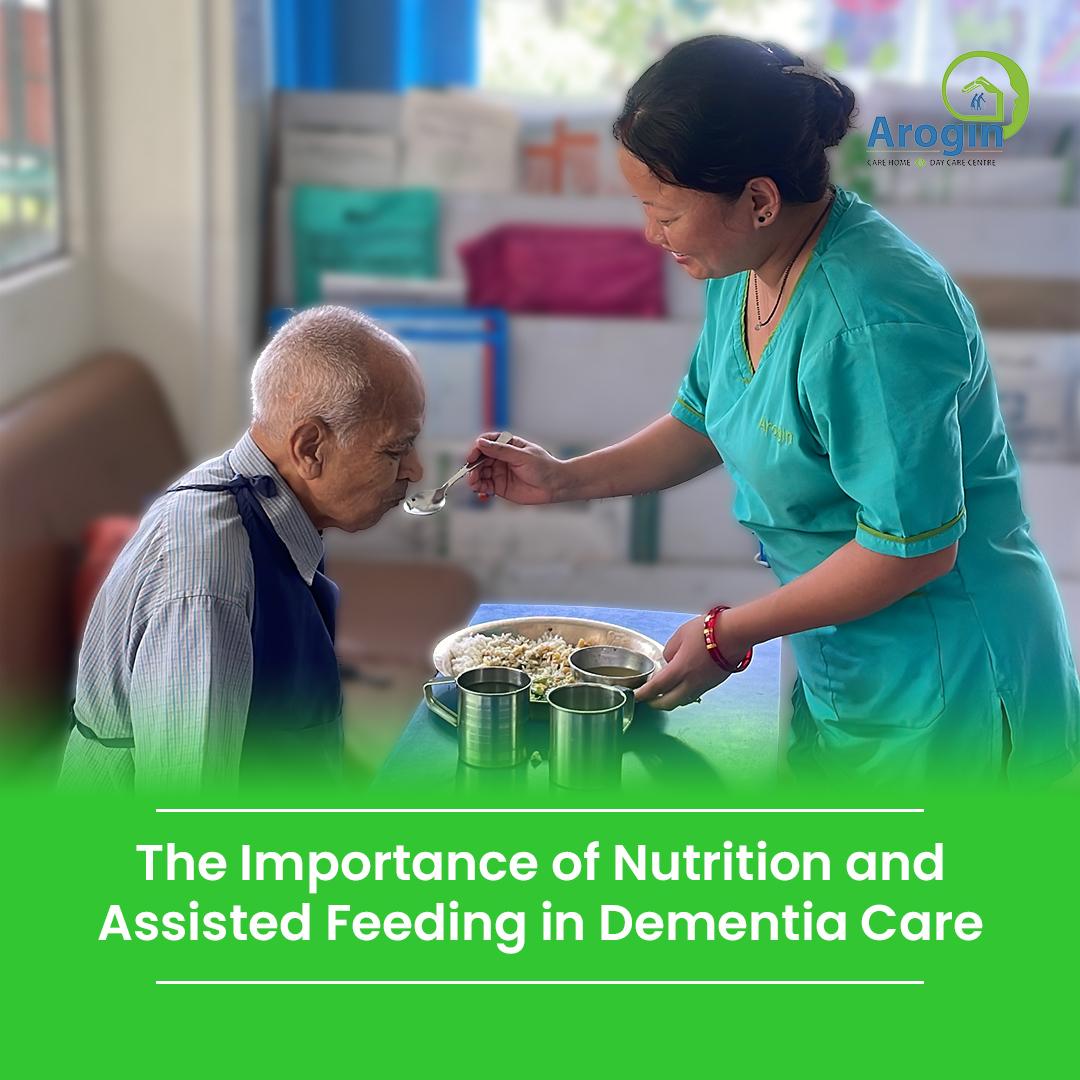
Nutrition is a basic human need but in dementia care it becomes a clinical priority that directly affects safety, comfort and overall health. As dementia progresses, eating and drinking often become difficult, not because of choice or behavior but because of changes in the brain that interfere with memory, coordination, judgement and swallowing. Without appropriate support, these challenges can quietly lead to malnutrition, dehydration, infections and repeated hospital admissions.
Understanding why proper nutrition and assisted feeding are necessary helps families make informed, compassionate decisions about care, especially as needs become more complex.
How Dementia Disrupts Eating and Nutrition
Eating is a surprisingly complex process. It requires recognizing food, coordinating hand and mouth movements, chewing, swallowing safely and responding to hunger or thirst. Dementia affects many of these functions at once.
People living with dementia may forget to eat or drink, fail to recognize food or cutlery, lose interest in meals or become distracted midway through eating. Others struggle with chewing or swallowing, a condition known as dysphagia, which increases the risk of choking and aspiration. Changes in taste and smell can also alter food preferences, often leading to a limited or unbalanced diet.
Over time, these difficulties can result in unintended weight loss, muscle weakness, dehydration, constipation, reduced immunity and slower recovery from illness. These are not minor issues. Poor nutrition significantly worsens physical decline and cognitive symptoms in dementia.
Why Assisted Feeding Becomes Necessary
Assisted feeding does not mean taking away independence. In dementia care, it is a supportive measure designed to compensate for lost abilities while preserving dignity.
As the disease advances, individuals may no longer be able to manage meals safely on their own. They may forget how to use cutlery, struggle to bring food to their mouth or become fatigued before eating enough. In later stages, swallowing difficulties require careful pacing, texture modification and close observation.
Assisted feeding ensures that meals are eaten slowly, safely and in adequate amounts. It also allows caregivers or nursing staff to notice early signs of swallowing problems, distress or discomfort that the person may not be able to communicate clearly.
The Clinical Role of Nutrition in Dementia Care
Proper nutrition in dementia care is not about special diets or supplements claiming to slow the disease. There is no evidence that any specific food can cure or reverse dementia. Instead, the focus is on maintaining strength, hydration and comfort.
Balanced meals help support immune function, reduce the risk of pressure sores and maintain muscle mass. Adequate hydration reduces confusion, urinary tract infections, constipation and falls. Even small improvements in nutritional intake can have a meaningful impact on daily functioning and quality of life.
This is why nutrition should be managed as part of a structured care plan, not left to chance.
Why Professional Nursing Support Matters
Managing nutrition in dementia often requires trained observation and consistency. Nurses are skilled in recognizing subtle changes, such as declining appetite, signs of dehydration or early swallowing difficulties. They can adjust care approaches, involve doctors or dietitians when need and prevent avoidable complications.
At Arogin Care Home in Bishalnagar, Kathmandu, nutrition and assisted feeding are handled as part of comprehensive nursing care. Meals are planned to be balanced, easy to eat and appropriate for individual needs. Residents who require assistance receive it calmly and respectfully, with close attention to safety and comfort. This structured approach helps families feel confident that nutritional needs are being met, even as dementia progresses.
When Families Should Seek Additional Support
Families often manage early eating difficulties at home but there comes a point when professional support becomes necessary. Warning signs include frequent choking or coughing during meals, rapid weight loss, repeated dehydration, prolonged refusal to eat or exhaustion for caregivers during feeding.
Seeking help is not a failure. It is a response to changing medical needs. Timely support can prevent complications and improve daily comfort for both the person with dementia and their family.
Conclusion
Eating difficulties in dementia are not behavioral problems to be corrected. They are symptoms of a progressive neurological condition that requires patience, understanding and skilled care.
Proper nutrition and assisted feeding play a quiet but vital role in dementia care. They protect physical health, reduce distress and preserve dignity at a time when vulnerability increases. With the right support, it is possible to maintain comfort and wellbeing, even as abilities change.
In dementia care, how a person is supported at the table often reflects how they are valued overall.